
Newsletter Subscribe
Enter your email address below and subscribe to our newsletter

 ByJohn A
A home is more than just a place where people sleep at night. It is where families spend time together, where friends gather, and where people can relax after a busy day. Because our homes play such an important role in our lives, it is natural to want them to look better, feel more comfortable, and work more efficiently.
Home improvement does not always mean carrying out an expensive renovation. Sometimes, a fresh coat of paint, better lighting, or a small change in the layout can completely change the atmosphere of a room. The key is to understand what your home actually needs before spending money on improvements.
One of the most common mistakes homeowners make is starting a project without deciding what they want to achieve. It is easy to become excited after seeing beautiful homes online or in magazines, but copying an idea without considering your own space can lead to unnecessary expenses.
Before beginning a project, walk through your home and make a list of areas that need attention. Perhaps the kitchen needs more storage, the living room feels dark, or the bedroom could be more comfortable.
Once you know your priorities, decide which improvements are urgent and which can wait. A simple plan can help prevent a small project from turning into an expensive one.
Painting is one of the easiest ways to change the appearance of a home. A room with dull or damaged walls can feel completely different after applying a fresh color.
Light colors can make smaller rooms appear more spacious, while warmer shades can create a comfortable and welcoming atmosphere. However, homeowners should choose colors based on how they actually use the room rather than following every decorating trend.
Painting does not always require changing every wall. An accent wall can add personality without overwhelming the room. Even repainting doors, cabinets, or trim can make an older interior look cleaner.
Good lighting can have a surprising effect on a home. A room may have attractive furniture and decorations, but poor lighting can make the entire space feel uncomfortable.
Whenever possible, make better use of natural light. Keep windows clean and avoid blocking them with unnecessary furniture or heavy curtains.
Artificial lighting should also be considered carefully. Instead of relying on one bright ceiling light, homeowners can combine ceiling fixtures with lamps, wall lights, or task lighting. This allows different parts of a room to be illuminated according to the activity taking place there.
For example, a reading corner may benefit from a focused lamp, while softer lighting can create a relaxed atmosphere in the living room.
The kitchen is one of the busiest areas of many homes, so even small improvements can make everyday life easier.
Additional shelves can provide useful storage without requiring a complete kitchen renovation. Drawer organizers, wall-mounted racks, and cabinet inserts can also help keep frequently used items within reach.
Replacing old cabinet handles is another simple improvement. New hardware can give cabinets a refreshed appearance without the cost of replacing them.
If a larger renovation is planned, homeowners should focus on functionality as well as appearance. A beautiful kitchen that is difficult to work in will quickly become frustrating.
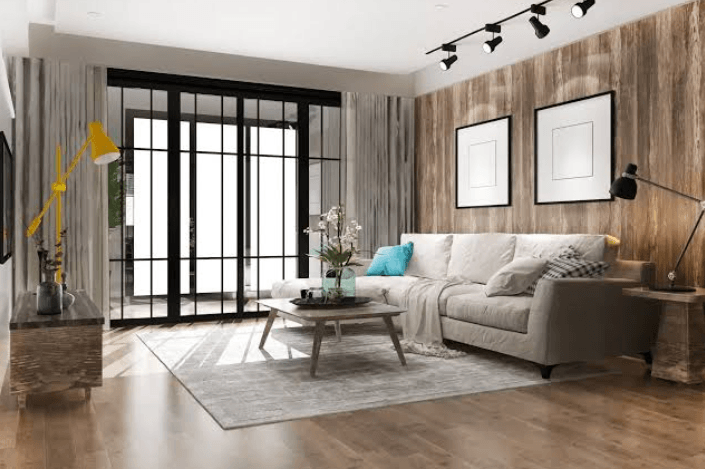
The living room is often where people relax, watch television, read, or spend time with family. Comfort should therefore be one of the main priorities when improving this space.
Start by considering the furniture arrangement. Sofas and chairs should allow people to communicate comfortably and move around without constantly bumping into furniture.
Adding cushions, rugs, curtains, or a few carefully selected decorations can also change the character of the room. There is no need to fill every empty space. Sometimes a simpler design feels more comfortable and organized.
Plants can be another useful addition. They can bring color and a sense of nature into an otherwise plain room.
Home improvement is not only about appearance. Making a home more energy efficient can reduce unnecessary energy consumption and potentially lower monthly bills.
Simple steps include sealing drafts around windows and doors, using efficient lighting, and checking whether insulation is adequate. Curtains and blinds can also help regulate indoor temperatures by reducing heat entering during hot weather or escaping during colder periods.
Older appliances may consume more energy than newer efficient models. Replacing appliances gradually, rather than all at once, can make the cost easier to manage.
Before making major energy-related changes, homeowners should consider the climate, building design, and their own energy usage patterns.
Call me Ishmael, for I have a story to tell. The eyes are not responsible when the mind does the seeing. It was a bright cold day in April, and the clocks were striking thirteen.
The outside of a home deserves attention too. A clean and organized entrance can improve the first impression of the entire property.
Small improvements might include repainting the front door, adding outdoor lighting, planting flowers, or keeping pathways clean. A balcony, patio, or small garden can also become a useful extension of the living space.
Outdoor furniture does not have to be expensive. Even a simple seating area can create a comfortable place to enjoy fresh air during suitable weather.
Clutter is one of the quickest ways to make a home feel smaller. Improving storage can therefore have a major impact without changing the structure of the house.
Use vertical space where possible. Tall shelves, wall-mounted cabinets, hooks, and storage baskets can help keep items organized while using less floor space.
It is also worth reviewing what you actually need. Home improvement is sometimes less about buying new storage products and more about removing things that are no longer useful.
A well-organized room often feels larger, calmer, and easier to maintain.
Some home projects are suitable for homeowners who have basic tools and experience. Others require professional knowledge.
Electrical work, major plumbing changes, structural modifications, roofing, and certain gas-related projects can involve serious safety risks if handled incorrectly.
Hiring a qualified professional may cost more initially, but proper workmanship can prevent expensive problems later. Homeowners should also check local requirements and permits before beginning major renovation work.
Knowing your limits is an important part of responsible home improvement.
It can be tempting to choose improvements based entirely on current trends. However, trends change quickly. A design that looks fashionable today may feel outdated a few years later.
For this reason, it is often better to invest in improvements that provide lasting value. Good flooring, durable fixtures, practical storage, quality lighting, and well-maintained outdoor areas can remain useful for many years.
Personal style is still important, but the best homes usually combine personality with practicality.
See also: What Desk Workers, Nurses, and Drivers Each Need from a Massage
Home improvement does not have to involve a massive renovation or an enormous budget. Small, thoughtful changes can make a home more comfortable, attractive, and functional.
The best place to begin is by identifying the problems that affect everyday life. From improving lighting and storage to refreshing walls and making the kitchen more practical, there are countless ways to make a home better.
Most importantly, homeowners should improve their spaces for the people who actually live there. A beautiful home is valuable, but a home that feels comfortable, organized, safe, and practical is even better. With careful planning and realistic choices, almost any home can become a more enjoyable place to live.
